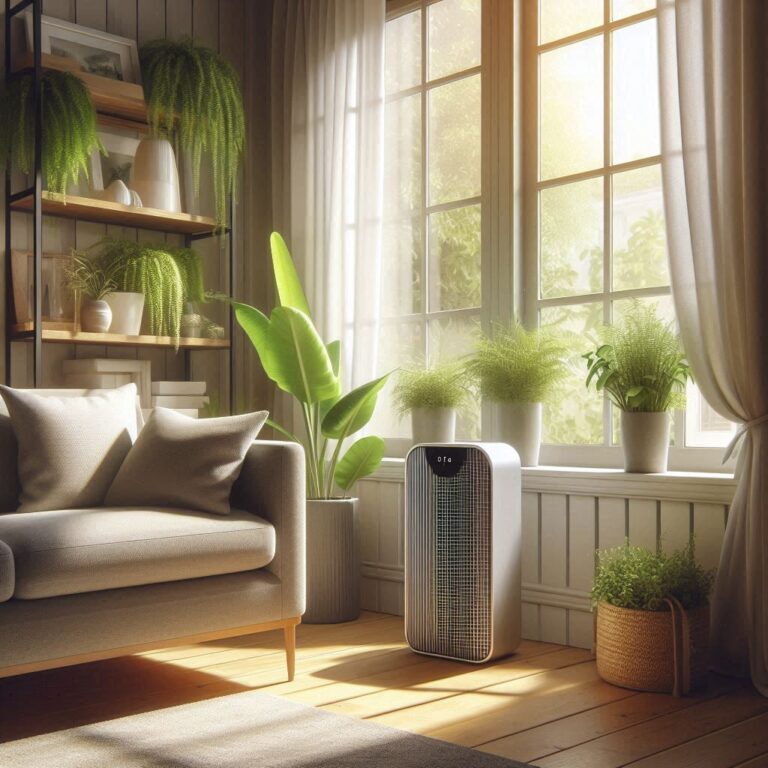
Choosing the Best Air Purifier for Your Home
In today’s world, where indoor air quality is often compromised by pollutants, the importance of clean air in our homes cannot be overstated. We spend a significant amount of time indoors, whether working from home, relaxing, or sleeping. Unfortunately, common indoor air pollutants—like dust mites, pet dander, mold spores, and smoke—can lead to health issues, especially for those with allergies or asthma. This article aims to guide readers in selecting the best air purifier for their specific needs, ensuring a healthier living environment.
Understanding Air Purifiers
So, what exactly do air purifiers do? Simply put, they filter and clean the air in your home, removing harmful particles and pollutants. The most effective models use advanced filtration technologies to capture allergens and other contaminants.
Different Types of Air Purifiers
There are several types of air purifiers, each designed for different needs:
- HEPA Filters: These are the gold standard for air purification, capturing 99.97% of particles that are 0.3 microns or larger. They’re essential for allergy sufferers.
- Activated Carbon Filters: Great for removing odors and gases, these filters are often used alongside HEPA filters for comprehensive purification.
- Ionic Purifiers: These devices emit charged particles that attach to pollutants, causing them to clump together and fall from the air. While effective, they can produce ozone, which may be a concern for some.
Overview of Essential Terminology
When shopping for an air purifier, it’s helpful to understand some key terms:
- CADR (Clean Air Delivery Rate): This measures how quickly an air purifier can clean the air in a specific size room. A higher CADR means better performance.
- ACH (Air Changes per Hour): This indicates how many times the air purifier can completely filter the air in a room in one hour.
- Filter Types: Knowing the differences between HEPA, activated carbon, and other filters can help in making an informed decision.
Assessing Your Air Quality Needs
Before choosing an air purifier, it’s important to assess the specific pollutants in your home. Are there allergens, smoke, or persistent odors?
Room Size Considerations
Consider the size of the rooms where the purifier will be used. A unit designed for a small bedroom won’t be effective in a large living room. Most manufacturers provide recommended room sizes for their products.
Specific Needs
Evaluate any specific needs you may have. For example, pet owners might need a model with a HEPA filter to manage pet dander, while smokers might benefit from an activated carbon filter to reduce odors. Those with asthma should look for units with a high CADR rating.
Key Features to Look For
When choosing an air purifier, several key features can enhance its effectiveness:
Importance of HEPA Filters
HEPA filters are crucial for removing allergens. If allergies are a concern, make sure the model you choose includes one.
CADR Ratings
Look for air purifiers with high CADR ratings, especially for the type of pollutants you’re most concerned about. A CADR of at least 150 for dust, pollen, and smoke is a good benchmark.
Noise Levels
Some purifiers can be quite noisy, which can be disruptive, especially at night. Check the noise levels and look for models that operate quietly.
Additional Features
Consider smart technology, like Wi-Fi connectivity or air quality sensors, that can help you monitor and control the purifier more easily. Energy efficiency is another important factor, especially if you plan to run the unit continuously.
Maintenance and Care
Regular maintenance is key to keeping air purifiers running efficiently. Make it a habit to check filters monthly, especially during peak allergy seasons.
Cleaning and Replacing Filters
Follow the manufacturer’s instructions for cleaning and replacing filters. Generally, HEPA filters should be replaced every 6-12 months, while activated carbon filters may need to be changed more frequently depending on usage.
General Upkeep
Ensure the purifier is placed in a well-ventilated area, away from walls and furniture that could obstruct airflow. Keeping the unit clean will help prolong its lifespan.
Common Misconceptions
There are many myths about air purifiers that can lead to confusion. One common misconception is that all air purifiers are the same. In reality, different models target different pollutants and have varying levels of effectiveness.
What Air Purifiers Can and Cannot Do
While air purifiers can significantly reduce allergens and improve air quality, they are not a cure-all. They do not eliminate the need for regular cleaning and maintenance of your home.
Frequently Asked Questions (FAQs)
How often should I run my air purifier?
It’s recommended to run your air purifier continuously, especially during high pollen seasons or if you have pets. Many models come with timers and sensors to help manage usage efficiently.
Can an air purifier help with odors?
Yes, air purifiers with activated carbon filters are particularly effective at removing odors from cooking, pets, and smoke.
How do I know when to replace the filter?
Most air purifiers have indicators that will notify you when it’s time to replace the filter. A general rule of thumb is to check filters every month and replace them every 6-12 months, depending on the model and usage.
Are there air purifiers suitable for large spaces?
Absolutely! Many air purifiers are designed for larger areas. Always check the coverage area specification to ensure it meets your needs.
Conclusion
Choosing the right air purifier can make a significant difference in your home’s air quality. By assessing your specific needs and understanding the various features available, you can find the perfect model to enhance your living environment. Take the time to evaluate your air quality and make an informed decision that will benefit your health and comfort.
Call to Action
Ready to improve your home’s air quality? Explore our featured products and consider your specific requirements for a purchase. Don’t forget to check out our downloadable resources for more tips!
Additional Resources
For more information on indoor air quality, check out our related articles on the benefits of air purifiers and maintenance tips to keep your unit running smoothly.